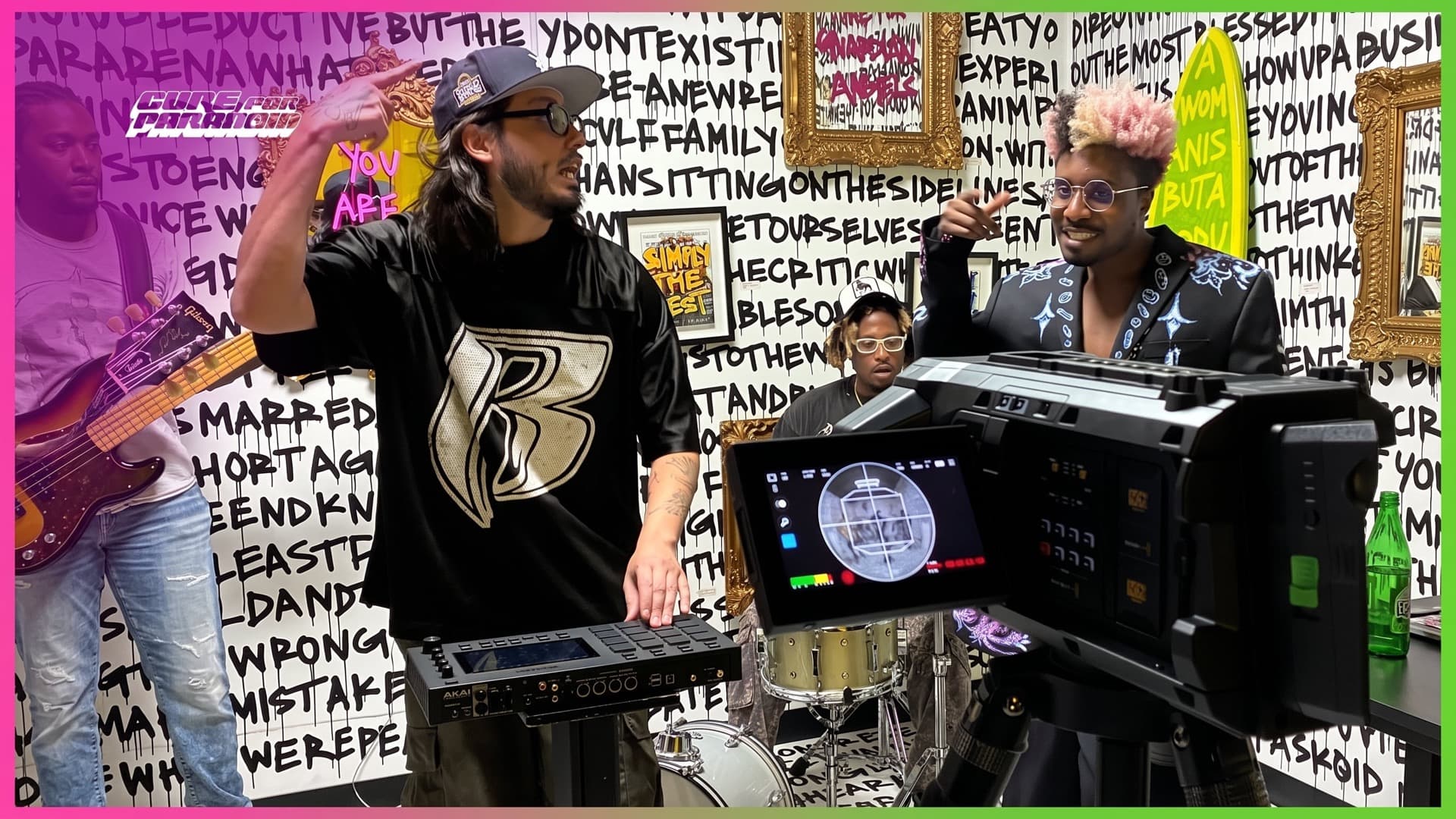
The camera stayed in place while Cure For Paranoia moved around it. On one take, the vocalist was in the middle. On the next, that spot might belong to the drummer or the bass player. Once I had those takes in the edit, I could change who was right in front of you on a beat. If you were watching in a headset, you still had the rest of the room to look around in. The tripod had the easiest choreography in the room.
I wanted to feel like I’d pulled up a chair with the band. Getting there took a lot of full-song takes and a trip through a flat edit in DaVinci Resolve.
Give the viewer a seat
Groove Jones had just gotten its hands on an early Blackmagic URSA Cine Immersive camera. Some of the team took it out to see what landscapes and gardens looked like in the format. I was curious what would happen if we gave people something to follow inside that space. I proposed a music video. It was a small-budget experiment.
I play music, and what got me about Cure For Paranoia was how much was happening between the musicians. There was the voice, there were the lyrics, and there was the way this particular group played off each other. I wanted to put the viewer close enough to catch some of those exchanges. You could follow the person singing and then notice what somebody else was doing a few feet away.
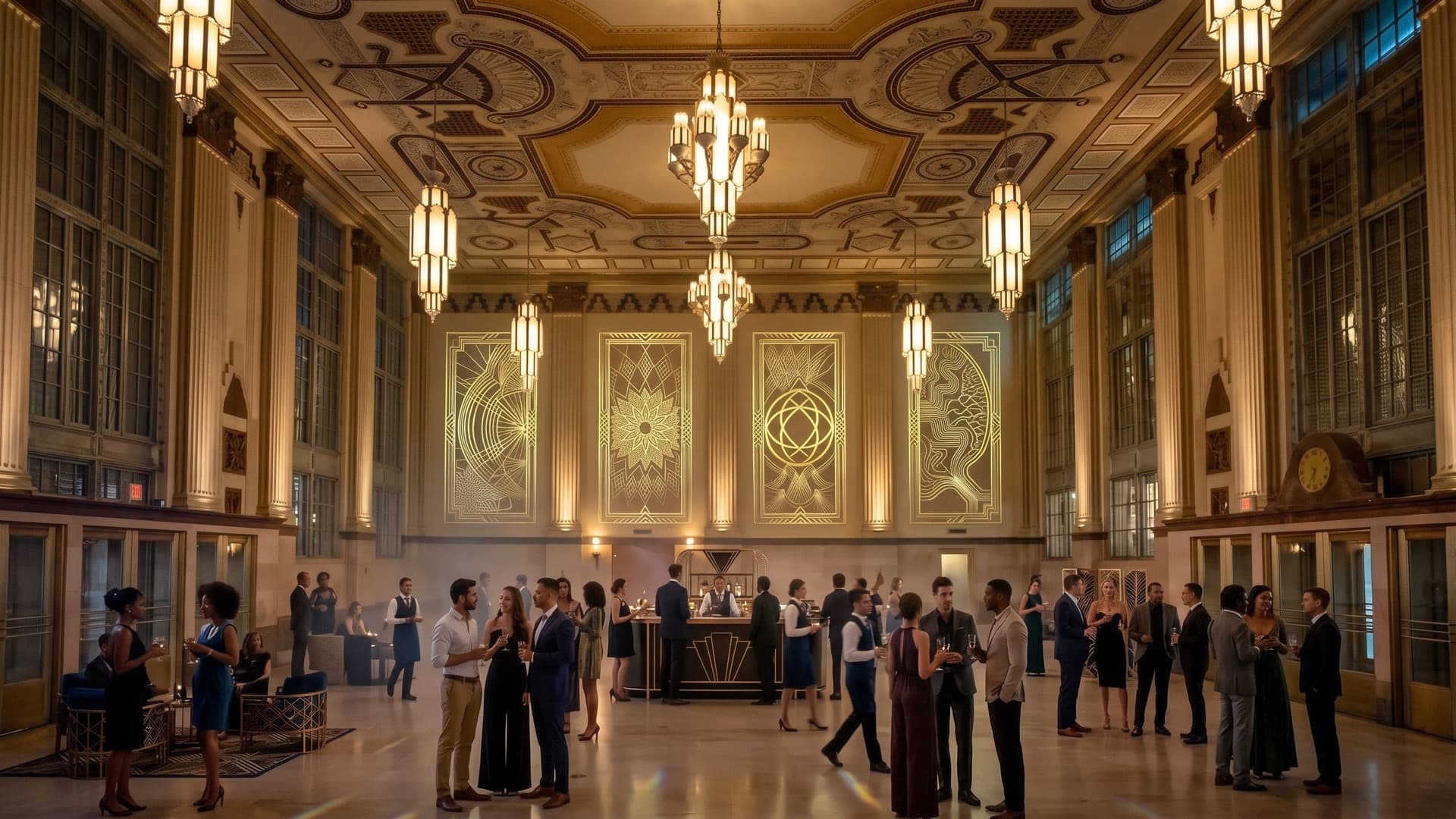
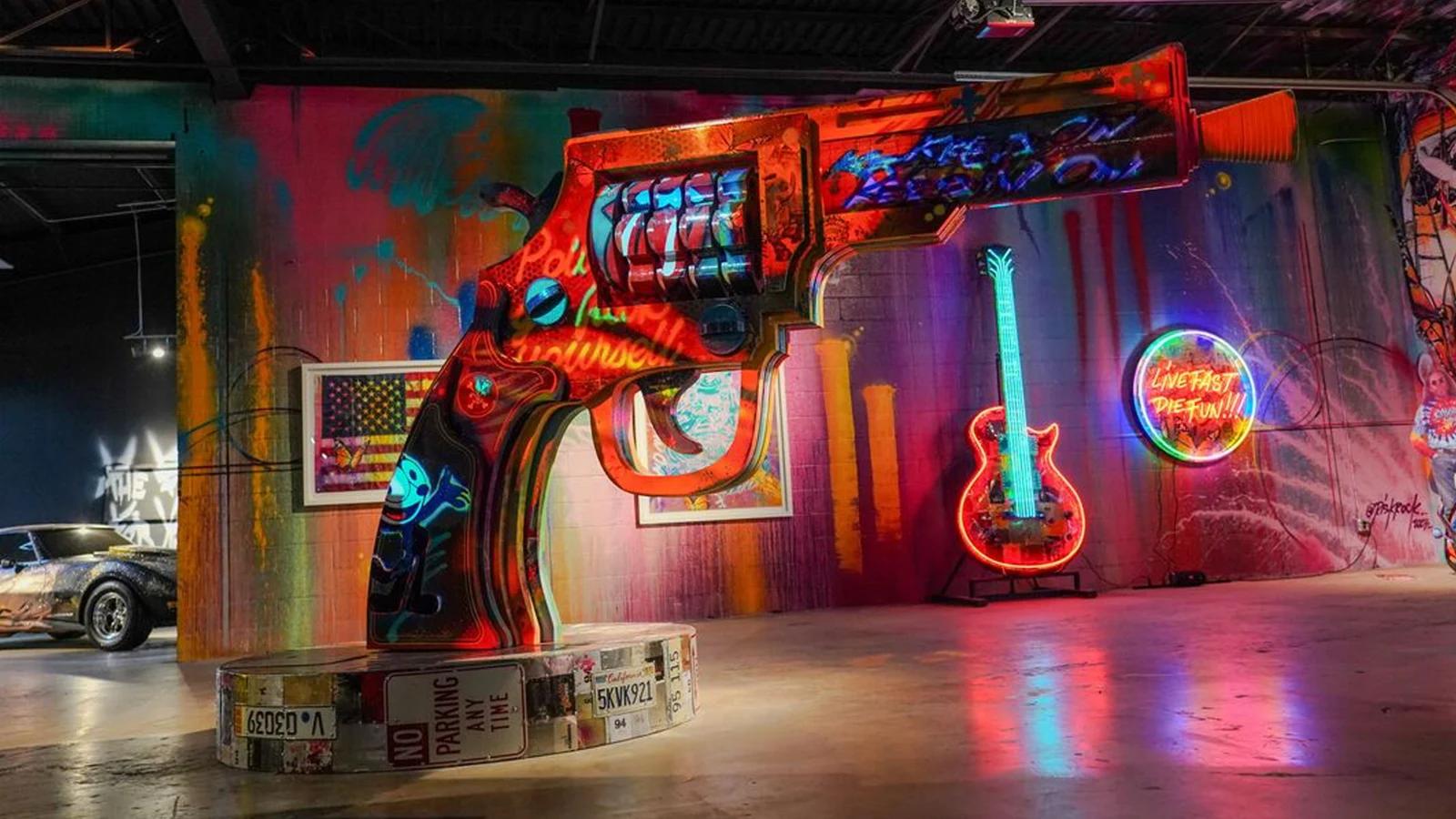
We shot at Gallery DeFi in Dallas. I’d seen photos of the place, so my first walk through was on the day of the shoot, with the band. The rooms already had their own colors, paintings, and installations. We picked places that gave us something to work with across the 180-degree view. A wall you might barely see in a conventional shot could be where someone chose to spend a whole verse.
Move the band between takes
I directed, handled camera and lighting, and edited the video. Henry Casillas was the assistant director. I was thinking about where to put the camera, how the room read from that position, where to put the performers, and when to run playback. We needed a repeatable way to get coverage quickly, and it worked like musical chairs.
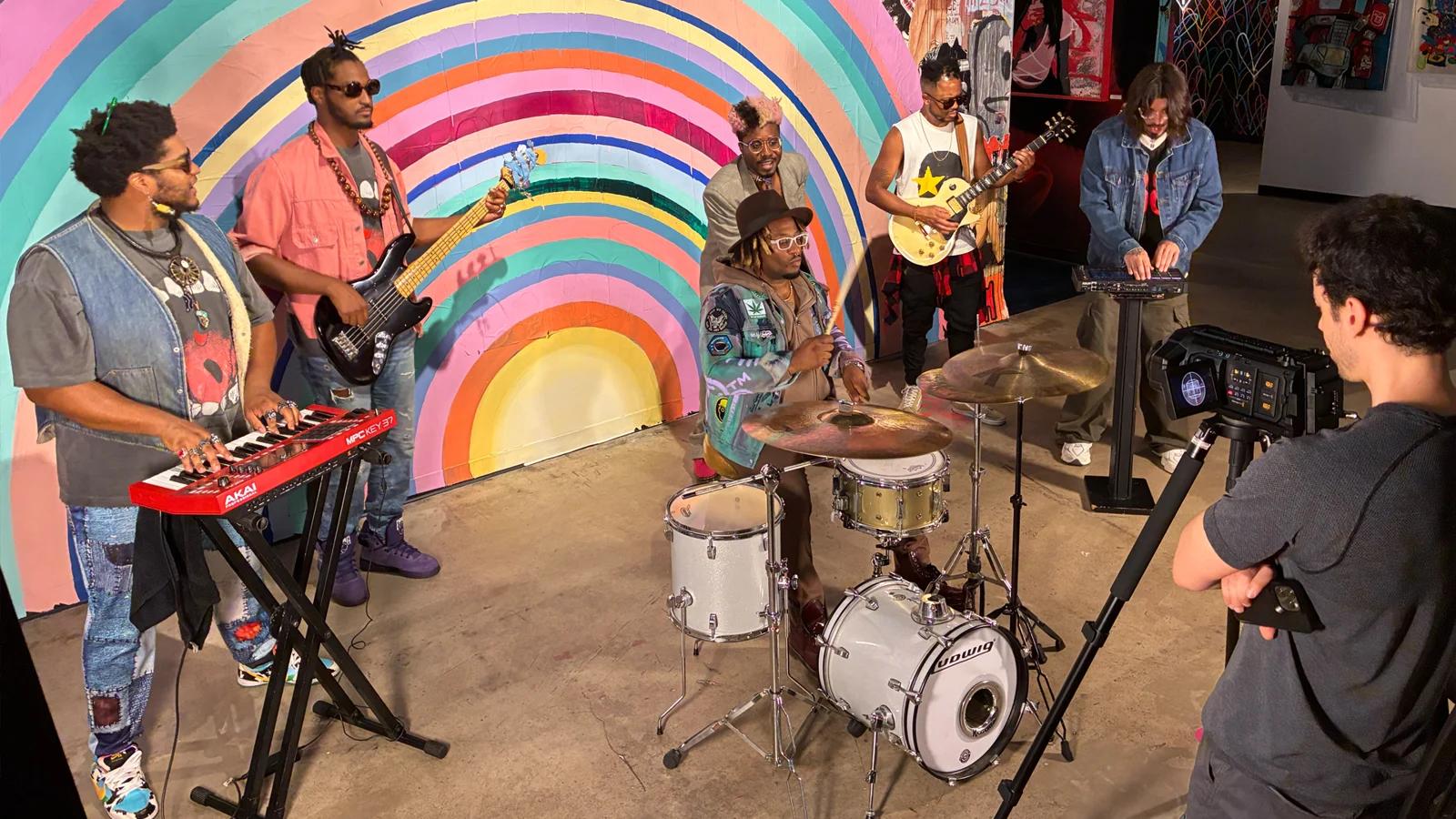
We played the whole track for several takes in each setup. Between takes, we moved the musicians over one spot. I kept a simple left-to-right rotation in my head so we could keep going. Each time we rolled, a different player could occupy the center, and the others had a new position in the room. A change in the music could now have a change in who was in front of you.
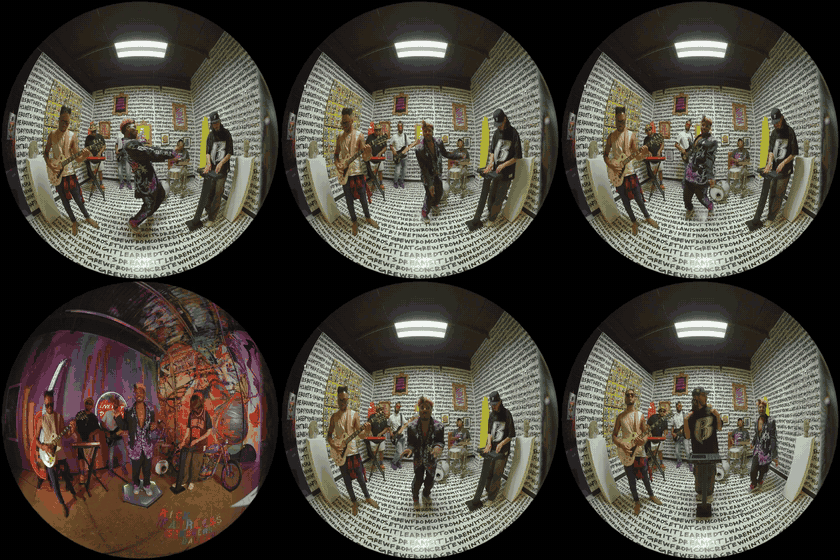
On earlier stereo rigs I’d worked with, I had to think about multiple cameras, calibration, sync, and stitching. For this shoot, I could put the URSA on a tripod and spend more of my attention on the art and the musicians. The two lenses gave us a stereo view from one camera position. I could keep that position through the takes for a setup and use the band’s placement to change the composition.
Cut flat, then go back into the room
I got to Resolve with several full performances stacked on top of each other. I wanted to hear the track play and click between takes where it felt right. In the setup I had at the time, I couldn’t get multicam working with the footage in immersive mode.
I treated the footage as flat for the cut. That let me build a multicam edit, switch between takes, and work against the beat. Once I’d made those choices, I took the edit back into immersive. Watching it in Vision Pro felt like going back to the room. From one cut to the next, someone else could be right in front of me. That was the part I needed to see in the headset.
If you try this with a band, start with one room and one passage. Record the same passage with two different lineups from the same camera position. Cut between them on a beat and try it in the headset. You’ll find out how much you can change through staging before you commit to a whole song.
From Deep Ellum to Cupertino
We later showed the video at a band event in Deep Ellum. I got to see some of the musicians and people in the audience put on the headset. I remember someone bringing up David Bowie and Freddie Mercury when they talked about how it looked. I loved seeing the band and the audience experience the result.
In October 2026, Dan Ferguson shared a note from Apple. Their team had picked two seconds of the guitarist playing in the room with handwritten walls. They asked to use it in the opening montage for their November developer event. The montage was made for the wide stage screen and the livestream. You can see the room in the still Groove Jones shared after the event. The guitarist is on the left, with the rest of the band and the writing on the walls still in view.
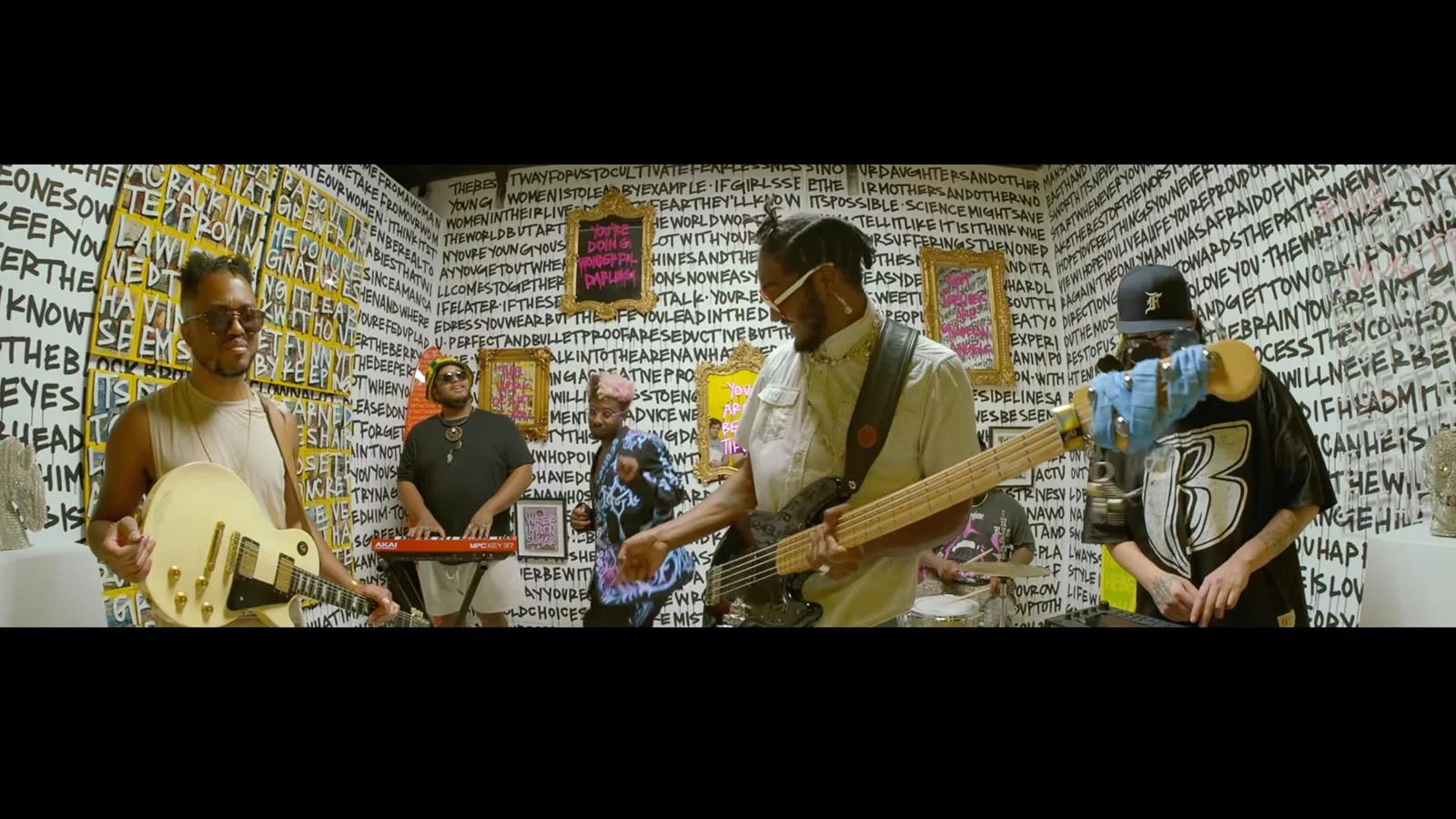
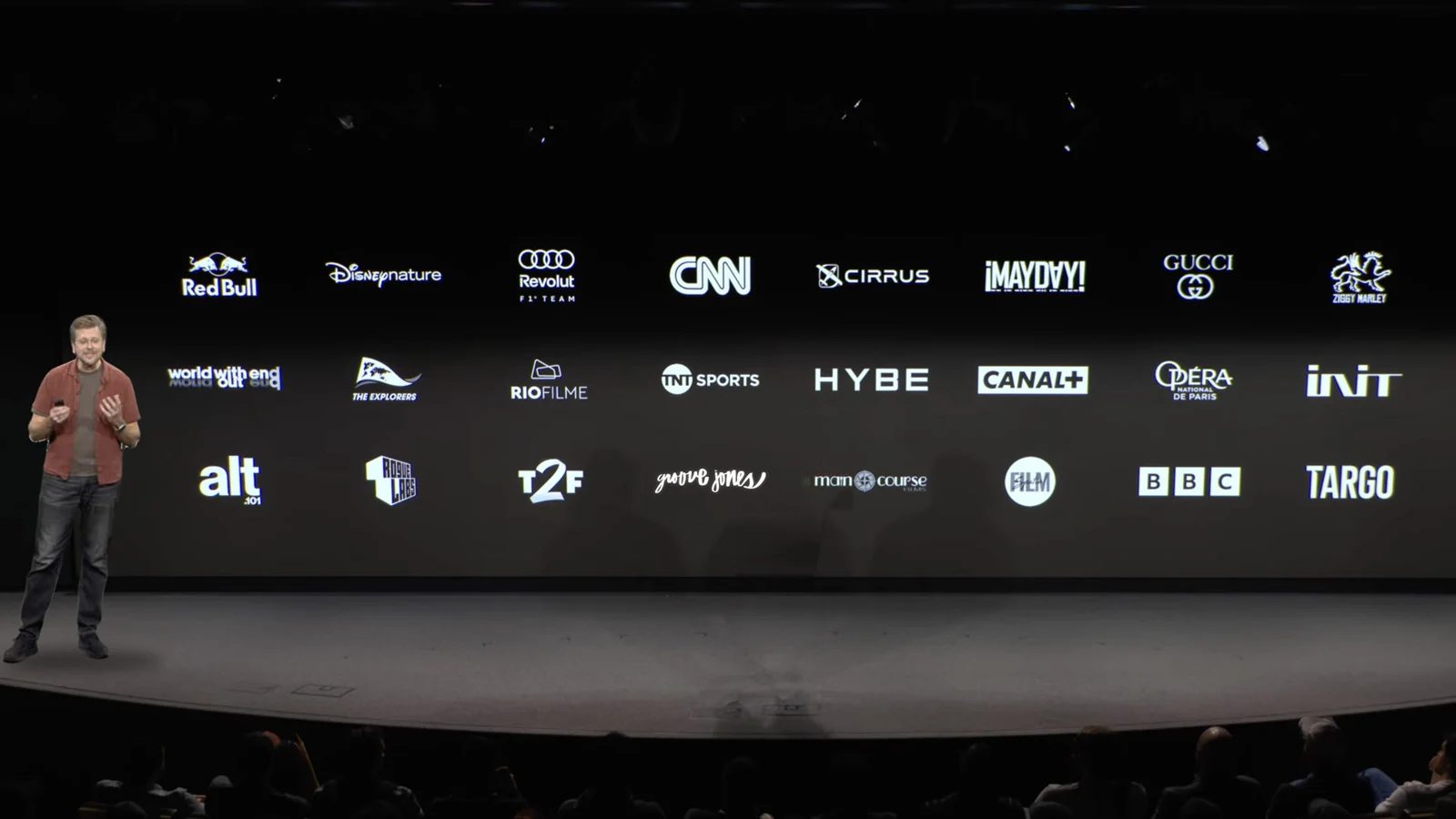
I watched the stream on November 11. Apple showed an excerpt from No Brainer in the opening montage at its Create immersive media experiences for spatial computing event in Cupertino. Later, around 19:48 in the replay, the Groove Jones logo came up on the stage screen among other studios and artists working in immersive. Seeing the work there meant a lot to me. I thought of Dale Carman, Dan, Gary Banks, and the people at Groove Jones who had spent years making this kind of work.
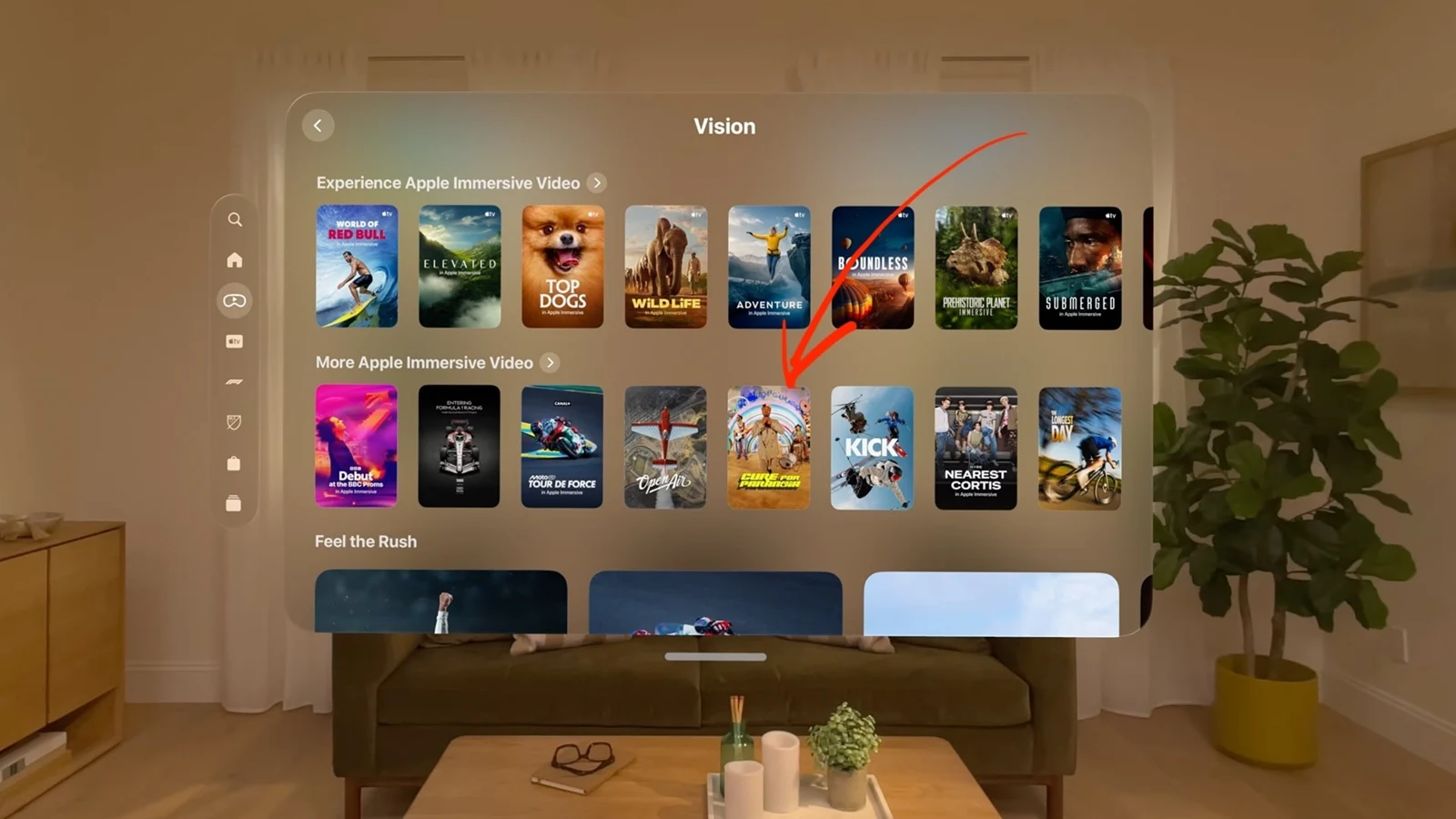
Getting the full video to viewers was its own job. When we prepared it for Fovii, I put together cover art in several sizes, credits, and caption files for review alongside the immersive master. Fovii later announced that viewers could find films from its library in the Apple TV app on Vision Pro. In the screenshot Groove Jones shared, our cover sits in the Vision tab’s More Apple Immersive Video row. Apple TV lists it under Cure For Paranoia. The 180-degree version is also on YouTube.
The next thing I wanted to try was staying with one person long enough to tell a longer story. MAX follows Austin driver Max Stallone through a race weekend. We filmed from inside his car and from trackside. The teaser gives you a look at how we put the viewer close to the racing.